
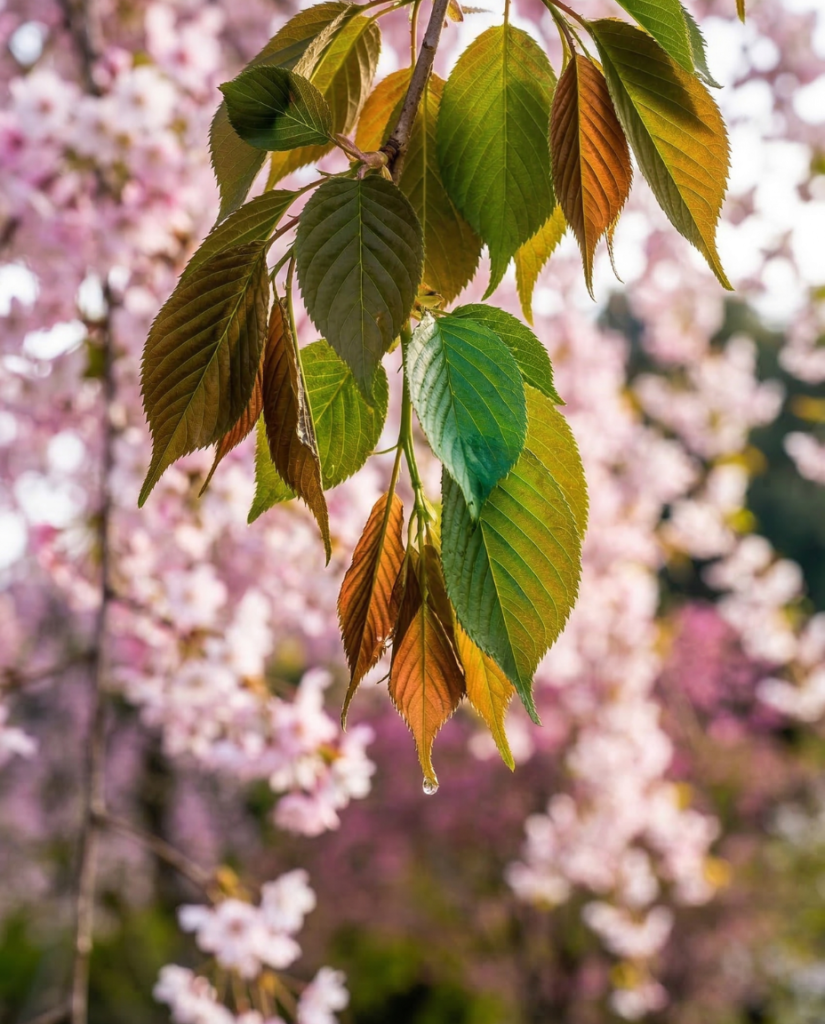
Weeping Cherry Blossom
Featured Specimen

Weeping Cherry Blossom

The Weeping Cherry Blossom is one of the most romantic and visually stunning trees in the world.

Botanical Specifications

Scientific Name
Prunus subhirtella 'Pendula'
Family
Rosaceae
Origin
Japan
Hardiness Zone
5 - 8
Bloom Timing
Late March to Early April (Early season bloomer)
Conservation Status
Common (Extremely popular in landscape architecture for its dramatic form)

Exposure

Full Sun (Crucial for maintaining its cascading branch structure and flower density)

Hydration

Moderate (Needs consistent moisture, especially during the first few years of establishment)

Soil pH

6.5 - 7.5 (Slightly acidic to slightly alkaline)

Dormancy

Winter (Deciduous; its weeping silhouette creates a striking architectural look in winter)

Pros and Cons of Weeping Cherry Blossom

Advantages of Weeping Cherry Blossom The primary advantage is its extraordinary architectural form, which provides year-round visual interest even when the leaves have fallen. It is one of the most effective trees for creating a “hidden” space or a peaceful sanctuary in a garden. Because of its unique shape, it increases property value and curb appeal significantly. It is also relatively cold-hardy and adapts well to various soil types, provided they are well-drained.

Disadvantages of Weeping Cherry Blossom

The main disadvantage is its high maintenance requirements; without regular and correct pruning, the tree can lose its weeping shape or become prone to “dieback” in its dense center where air circulation is limited. It is also quite susceptible to common cherry diseases like canker, leaf spot, and Japanese beetles. Additionally, its branches are somewhat brittle and can be damaged by heavy snow or strong winds if not properly sheltered.

Frequently Asked Questions

Detailed botanical inquiries regarding the Weeping Cherry Blossom cultivar.

Why do the branches of the Weeping Cherry grow downwards?

The weeping habit is a natural genetic mutation that has been selectively cultivated. Most weeping cherries sold in nurseries are grafted onto a straight "standard" trunk of another cherry species to give the tree height, allowing the pendulous branches to cascade gracefully toward the ground.

How fast does a Weeping Cherry Blossom tree grow?

It is considered a fast-growing tree in its youth, often growing 1 to 2 feet per year. Once it reaches its mature height (typically 15 to 25 feet), its growth rate slows down significantly as it focuses on thickening its cascading canopy.

Does this tree require special pruning?

Yes, to maintain its "waterfall" appearance, it is important to prune any "suckers" or branches that try to grow straight upward from the graft point. You should also trim the tips of the weeping branches if they begin to touch the ground to prevent pests and diseases from climbing the tree.