
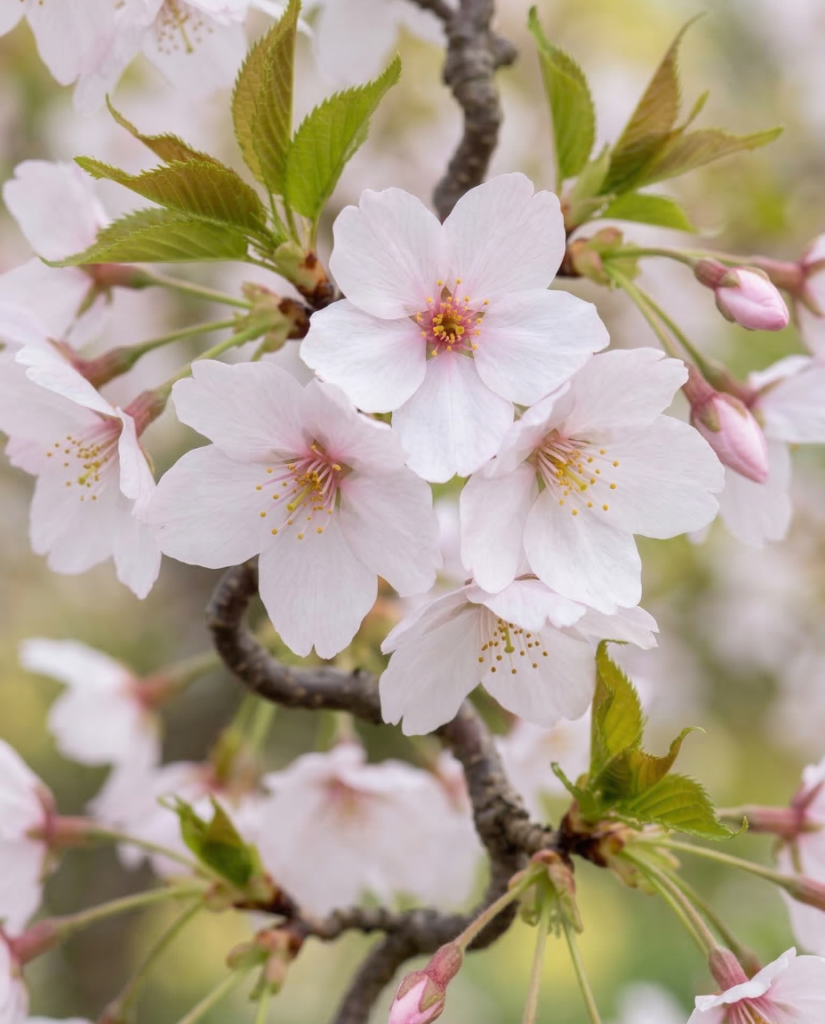
Kojo-no-Mai Cherry Blossom
Featured Specimen

Kojo-no-Mai Cherry Blossom

Flight of the Butterflies," the Kojo-no-Mai Fuji Cherry (Prunus incisa 'Kojo-no-Mai') is a delicate, dwarf ornamental cherry known for its intricate zigzagging branches and abundant pale pink blooms.

Botanical Specifications

Scientific Name
Prunus incisa
Family
Prunus incisa
Origin
Japan
Hardiness Zone
USDA Zones 6 - 8
Bloom Timing
Early Spring (March to April)
Conservation Status
Least Concern (Widely cultivated ornamental dwarf)

Exposure

Least Concern (Widely cultivated ornamental dwarf)

Hydration

Moderate (Water consistently, especially when grown in containers)

Soil pH

5.5 - 7.5 (Slightly acidic to slightly alkaline)

Dormancy

Winter

Advantages of Kojo-no-Mai Cherry Blossom

The primary advantage of the Kojo-no-Mai (Prunus incisa) is its compact, dwarf size, making it the ultimate choice for small patios, balconies, and container gardening. It is highly celebrated for its artistic zigzag branches, which provide a stunning architectural look even in winter. This variety is extremely low-maintenance, requiring almost no pruning to maintain its shape. Furthermore, it offers extended visual interest, starting with crimson buds that open into pale pink flowers, followed by brilliant fiery-red foliage in the autumn.

Disadvantages of Kojo-no-Mai Cherry Blossom

The main disadvantage is its slow growth rate; it takes many years to reach its maximum height of 6–8 feet. Because of its miniature stature, it lacks the grand presence and shade-providing canopy of traditional cherry trees. Additionally, when grown in pots, it is highly sensitive to drying out, requiring more frequent and careful watering than trees planted directly in the ground.

Frequently Asked Questions

Detailed botanical inquiries regarding the Kojo-no-Mai Cherry Blossom cultivar.

Can I grow a Kojo-no-Mai cherry tree in a pot?

Yes, absolutely. Because it is a dwarf, slow-growing variety that naturally stays compact, it thrives exceptionally well in containers and pots.

What is so special about its branches and winter appearance?

The name "Kojo-no-Mai" translates to "Flight of the Butterflies." It has highly distinct, intricate zigzagging branches that offer a beautiful, almost bonsai-like architectural form even when it is bare during the winter months.

Does the Kojo-no-Mai cherry tree get any autumn color?

Yes, after its profusion of delicate white and pale pink blossoms in spring, its finely toothed green leaves turn fiery shades of orange, red, and bronze before dropping in the fall.