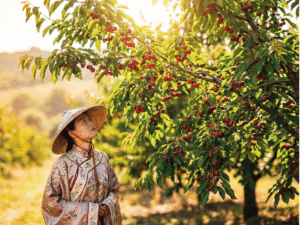
Short answer: yes— Cherry tree Colorado is possible, but success depends on the variety, site, and elevation. Colorado’s climate swings (late spring frosts, high UV, low humidity, alkaline soils, and wind) mean some cherries thrive while others struggle. If you’re growing cherry trees in colorado, prioritize cold-hardy sour cherries and shrub/bush types, choose a protected south- or east-facing microclimate, and mulch deeply to moderate soil temps and moisture.Observing the growth of a Bing cherry tree in the Colorado climate.
Flowering Cherry (umbrella term for bloom-forward types)
Bing Cherry Tree
A beloved sweet cherry, but frost- and crack-prone. Best prospects are warm pockets on the Western Slope or very protected Front Range sites below ~6,000 ft. Requires a compatible pollinizer and vigilant bird protection.
Cherry Bushes
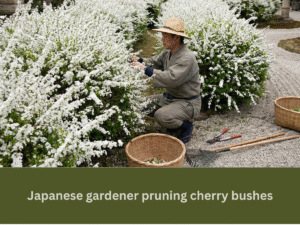
Hardy bush cherries (e.g., ‘Carmine Jewel’, ‘Juliet’, ‘Romeo’) are excellent for Colorado. They flower later than many sweets, shrug off cold (often hardy to Zone 3–2), and bear tangy fruit ideal for fresh eating, sauces, and jam. Compact size makes frost cloths and netting easy.A Japanese expert meticulously tending to white cherry bushes in full bloom.
Cherry Plum Tree
These are typically ornamental plums (and some cherry–plum hybrids) valued for spring color. They handle alkaline soils and cold better than many ornamental cherries. Fruit (if any) is usually small; main value is flowers and foliage.
Montmorency Cherry Tree
The classic sour cherry: cold-hardy, productive, and self-fertile. Flowers earlier than bush cherries—so guard against late frosts with covers or site selection. Great for pies and drying. A top edible pick for many Colorado gardens.
Nanking Cherry
A shrub cherry (Prunus tomentosa) that excels in wind, cold, and poor soils. Early bloom can be nipped by frost at elevation, but bushes rebound readily. Fruit is small, bright, and excellent for jelly; also a superb wildlife/hedge plant.
North Star Cherry
A naturally dwarf sour cherry: self-fertile, very cold-hardy, and more manageable than Montmorency in small yards. Later bloom than some sweets helps dodge frost. Heavy crops with minimal fuss.
Ornamental Cherry Tree
Flower-forward trees like ‘Kwanzan’ or ‘Yoshino’ can work in warm, sheltered urban microclimates (south-facing walls, heat-reflective hardscape). They’re less forgiving of drought, wind, and late freezes—expect bloom loss some years.
Purple Leaf Sand Cherry
A hardy ornamental shrub (Prunus × cistena) for purple foliage and spring blossoms. Takes pruning, sun, and alkaline soils better than many ornamental cherries—reliable color even where tree-form flowering cherries fail.
Rainier Cherry
Premium sweet with golden-blush fruit. Similar needs and risks to ‘Bing’ (pollinizer, crack/frost sensitivity). Best on the Western Slope or very protected, lower-elevation Front Range sites.
Weeping Cherry Tree
Primarily ornamental; cold and desiccation sensitive. Plant only in calm, warm, irrigated microclimates; wrap trunks in winter and consider anti-desiccant sprays. Expect variable flowering year-to-year.
Flowering Cherry Tree
Umbrella term for showy bloomers. In Colorado’s continental climate, performance is highly site-dependent: urban cores and courtyard pockets do far better than exposed foothills or high plains.
Best Cherry Tree for
Below is a practical, strong → weak snapshot for Colorado gardeners. “Best” balances cold hardiness, bloom timing, pollination, drought/wind tolerance, and fruit/usefulness.
Most Reliable (Strong)
Variety
Type
Pollination
Why It’s Good (Strengths)
Weak Points
Best Colorado Sites
North Star
Dwarf sour
Self-fertile
Very cold-hardy; compact; heavy crops; easier frost protection
Tart fruit (great for baking, less sweet fresh)
Front Range yards, high plains, foothills (sheltered)
Montmorency
Sour
Self-fertile
Proven producer; handles alkaline soils; classic pie cherry
Early bloom can frost; needs bird netting
Front Range & plains with slight protection; Western Slope excellent
Bush cherries (Carmine Jewel/Juliet/Romeo)
Shrub
Often self-fertile / partially
Extremely hardy; later bloom; compact for covers & netting
Smaller fruit; flavor varies by cultivar
Most of CO below alpine zones; windy sites OK with mulch
Strong: later or staggered bloom (frost escape), self-fertile (no pollinizer logistics), true cold hardiness, good drought/wind tolerance, and compatibility with alkaline soils. Shrub/dwarf sizes are easier to cover during cold snaps and to net against birds.
Weak: early bloom (frost risk), pollinizer required plus overlaps needed, susceptibility to fruit cracking from spring moisture, and higher water or humidity needs than Colorado typically provides.
Colorado-Specific Tips for Success
Site: South- or east-facing exposures; avoid low frost pockets. Use walls, fences, or rocks to trap heat.
Soil: Amend planting hole area broadly with compost; keep crown at grade; maintain a 5–8 cm organic mulch (keep off trunk).
Frost Management: Keep frost cloth ready (and hoops for shrub/dwarf forms). Cover at dusk when late frosts threaten bloom/fruitlets.
Pollination: Sours and many bush cherries are self-fruitful; sweets (e.g., Bing, Rainier) need compatible partners and active bees.
Protection: Net against birds as fruit colors; stake young trees in windy sites; wrap trunks their first winters in sunny, high-UV areas.
Bottom line: For most home gardeners, start with North Star, Montmorency, and hardy bush cherries. Add sweets like Rainier or Bing only if you have a warm, protected microclimate—or you garden on the Western Slope. Ornamental cherries can be gorgeous in urban heat islands, but plan for occasional off years when spring frosts steal the show.
Cherry Tree Colorado F.A.Q
1) Who planted cherry trees in Garden of the Gods in Colorado Springs, Colorado?
Garden of the Gods is managed by the City of Colorado Springs; any ornamental cherries seen near visitor areas are part of landscape plantings maintained by parks staff and community volunteers. There isn’t a single historically documented individual planter—trees have been added over many years as part of site beautification and replacement.
2) Does Colorado have a state flower?
Yes. Colorado’s state flower is the Rocky Mountain columbine (Aquilegia caerulea), celebrated for its blue-and-white petals and alpine habitat. It has been protected and promoted as a state symbol for more than a century.
3) Where are the most cherry blossoms in the USA?
Washington, D.C. hosts the nation’s largest and most iconic cherry-blossom displays, with thousands of Yoshino and Kwanzan cherries around the Tidal Basin and National Mall. Other cities with notable blooms include Macon, Georgia, and Seattle, but D.C. remains the best-known spectacle.
4) What is Colorado Cherry Blossom Festival?
Often called the Denver Cherry Blossom Festival, it’s an annual celebration of Japanese and Japanese American culture held at Sakura Square and the Tri-State/Denver Buddhist Temple. Expect taiko drumming, cultural performances, food vendors, crafts, and community activities—typically on a summer weekend (often June).
Written By
mahmuthaanazakli@gmail.com
Mahmuthan Azaklı is an actively engaged SEO consultant in the digital sphere. Based at Trabzon-headquartered Fennes Home, he stands out for his expertise in search-engine optimization. Having collaborated with companies across various industries, Azaklı continually sharpens his skills in web design, web development, and SEO strategy, delivering comprehensive digital solutions to clients. His work focuses on boosting digital visibility, driving organic traffic, and executing effective technical SEO initiatives.

 By
By