
 By
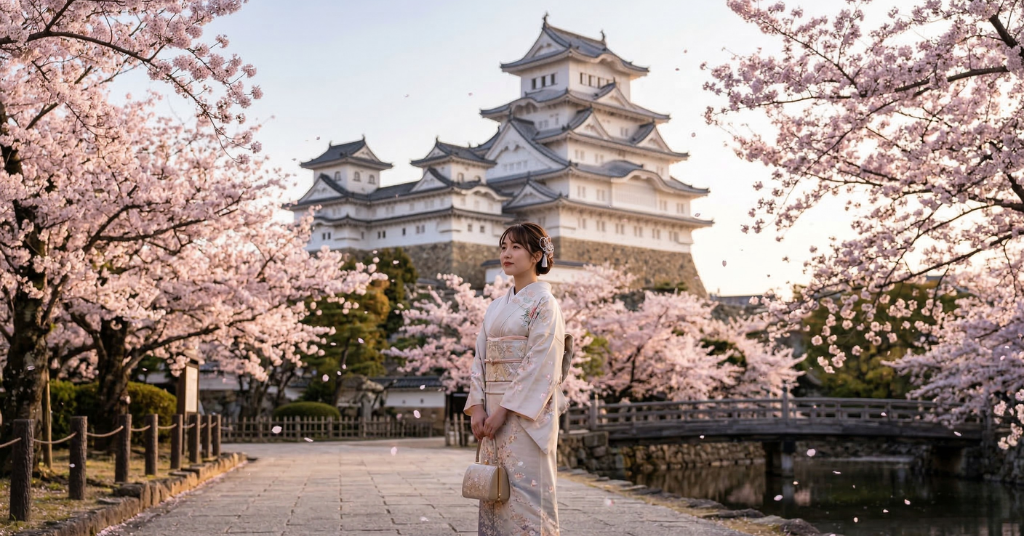
By The Japanese Cherry Blossom is far more than just a beautiful spring flower; it is a profound national obsession deeply woven into the fabric of daily life. For Americans cultivating these trees in their yards or admiring them in local botanical gardens, understanding the Japanese Sakura flower culture adds layers of appreciation to the viewing experience.
The blooming season transforms the landscape into a pastel wonderland, but it also serves as a poignant, philosophical reminder of life’s fleeting beauty and the importance of living in the present moment.
The cultural appreciation of sakura extends far beyond Japan. For instance, discovering a Cherry Blossom Tree Turkey reveals how these blooms symbolize international friendship in beautiful botanical gardens across the globe.
What Do Cherry Blossoms Represent in Japanese Culture?
Contents
To truly understand what these blossoms represent, engaging in the culture is key. While comprehensive cultural guides could easily list over 150 traditional practices, we have curated the top 10 most meaningful activities to ensure the best experience for your botanical journey:
- Hanami (Flower Viewing): Gather with friends and family for a picnic under the blooming trees to appreciate the present moment and the beauty of nature.
- Yozakura (Night Viewing): Walk through parks illuminated by paper lanterns to witness the glowing, ethereal beauty of the blossoms after dark.
- Drinking Sakura Tea: Brew a cup of tea made from salt-pickled cherry blossoms, which symbolizes fresh beginnings and is often served at traditional weddings.
- Eating Sakura Mochi: Enjoy traditional pink rice cakes wrapped in a pickled cherry leaf to taste the fleeting flavors of the spring season.
- Creating Haiku Poetry: Write short poems reflecting on the transient nature of the petals falling gracefully in the spring breeze.
- Floating Petals (Hanaikada): Watch the “flower rafts” form as millions of fallen petals float down rivers and streams, representing the flow of time.
- Visiting Shinto Shrines: Pay respects at local shrines where cherry trees are planted as sacred symbols of agricultural deities and harvest hopes.
- Gifting Cherry Blossom Branches: Share the beauty of the season by offering small, carefully cultivated branches to loved ones.
- Spring Cleaning (Osoji): Use the arrival of the blossoms as a natural marker to clean your home, clear out the old, and start the season fresh.
- Wearing Spring Yukata: Dress in lightweight, floral-patterned traditional clothing to visually harmonize with the blooming environment during festivals.
The tradition of flower viewing is celebrated internationally. You can even find vibrant autumn festivals surrounding the Cherry Blossom Tree İndia, where locals and tourists gather to appreciate the pink canopies in the Himalayan foothills.
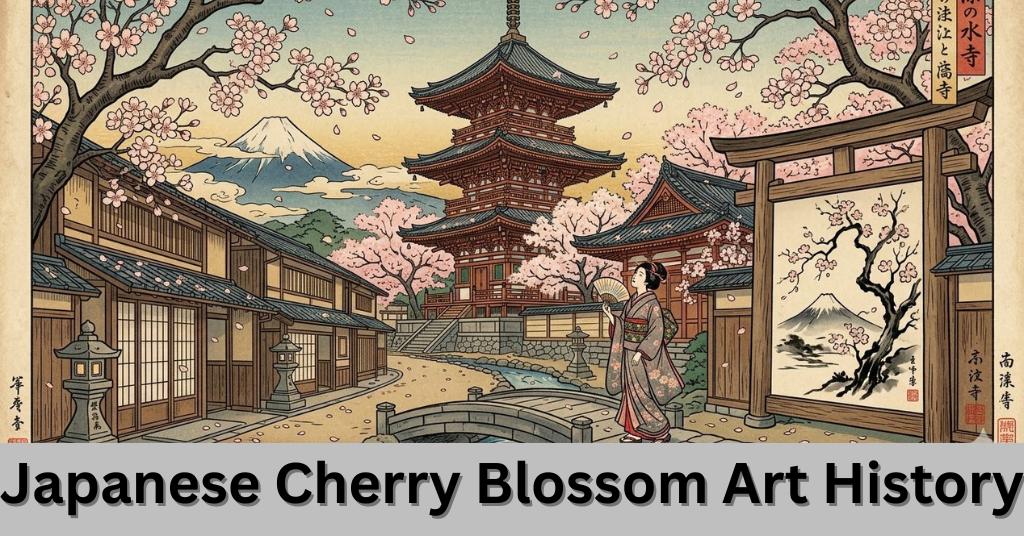
Japanese Cherry Blossom Art History
The depiction of cherry blossoms spans centuries in Japanese art history, deeply rooted in the Buddhist concept of mono no aware (the pathos of things). During the classical Heian period (794–1185), poetry and scroll paintings shifted their aristocratic focus from plum blossoms to the sakura.
By the Edo period (1603–1867), ukiyo-e (woodblock prints) masters like Hokusai and Hiroshige immortalized the blossoms in dynamic landscapes, making the imagery accessible to the general public. Today, this artistic legacy continues in everything from modern anime to contemporary graphic design, always emphasizing the delicate balance between breathtaking beauty and inevitable decay.
What do Cherry Blossom Trees Symbolize in Japan?
In Japan, cherry blossom trees heavily symbolize the ephemeral nature of life. Because the blooms are overwhelmingly beautiful but last for only a week or two before falling to the ground, they serve as a visual metaphor for human mortality and the rapid passing of time.
Historically, they also symbolized the samurai, whose lives were considered glorious but potentially short-lived in battle. Furthermore, because the peak bloom aligns with the start of the Japanese school and fiscal year in April, the trees strongly represent hope, new beginnings, and fresh starts.
If you want to experience this rich cultural heritage and symbolism in the US, attending a spring festival under a Cherry Blossom Tree Los Angeles offers a wonderful taste of traditional Japanese arts, food, and community celebration.
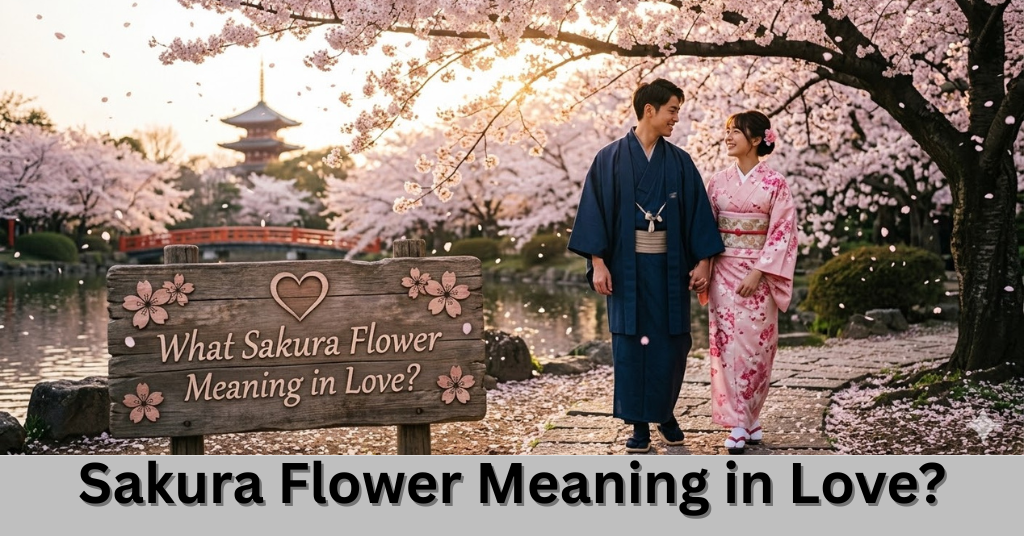
What Sakura Flower Meaning in Love?
When exploring the sakura flower meaning in love, it represents a delicate, pure, and often transient romance. Because the blooms are so fragile, the cherry blossom meaning love carries a message of cherishing your partner in the present moment.
It serves as a reminder that while passion is beautiful, it must be nurtured carefully and appreciated daily so it does not fade too quickly. In modern romantic gestures, walking together under the falling petals is considered the ultimate expression of a gentle, affectionate, and mindful partnership.
The profound meaning and pure beauty of these trees inspire many to plant them in their own yards. However, your local climate dictates your success. The care required for a cold-hardy Cherry Blossom Tree Colorado
is vastly different from cultivating a heat-tolerant Cherry Blossom Tree California variety.
Frequently Question Ask About Japanese Cherry Tree
Q: What is the symbolism of spring blossoms and fujiyama in japanese culture?
The pairing of spring blossoms and Mount Fuji (Fujiyama) is the ultimate representation of Japanese identity and harmony.
Mount Fuji symbolizes eternal strength, absolute stability, and the sacred earth, while the delicate cherry blossoms represent the fleeting, fragile nature of life. Together, they create a perfect philosophical balance between the permanent and the temporary.
Q: Is cherry blossom and sakura the same?
Yes, they are exactly the same. “Sakura” (桜) is simply the Japanese word for cherry blossom.
When people refer to sakura, they are specifically talking about the ornamental flowering cherry trees that do not produce edible fruit, which are celebrated worldwide purely for their spectacular spring blooms.
Whether you are exploring ancient Japanese traditions or simply planning your next spring garden update, returning to our Home page will help you discover everything you need to know about growing and appreciating these iconic trees.

Written By
mahmuthaanazakli@gmail.com
Mahmuthan Azaklı is an actively engaged SEO consultant in the digital sphere. Based at Trabzon-headquartered Fennes Home, he stands out for his expertise in search-engine optimization. Having collaborated with companies across various industries, Azaklı continually sharpens his skills in web design, web development, and SEO strategy, delivering comprehensive digital solutions to clients. His work focuses on boosting digital visibility, driving organic traffic, and executing effective technical SEO initiatives.