
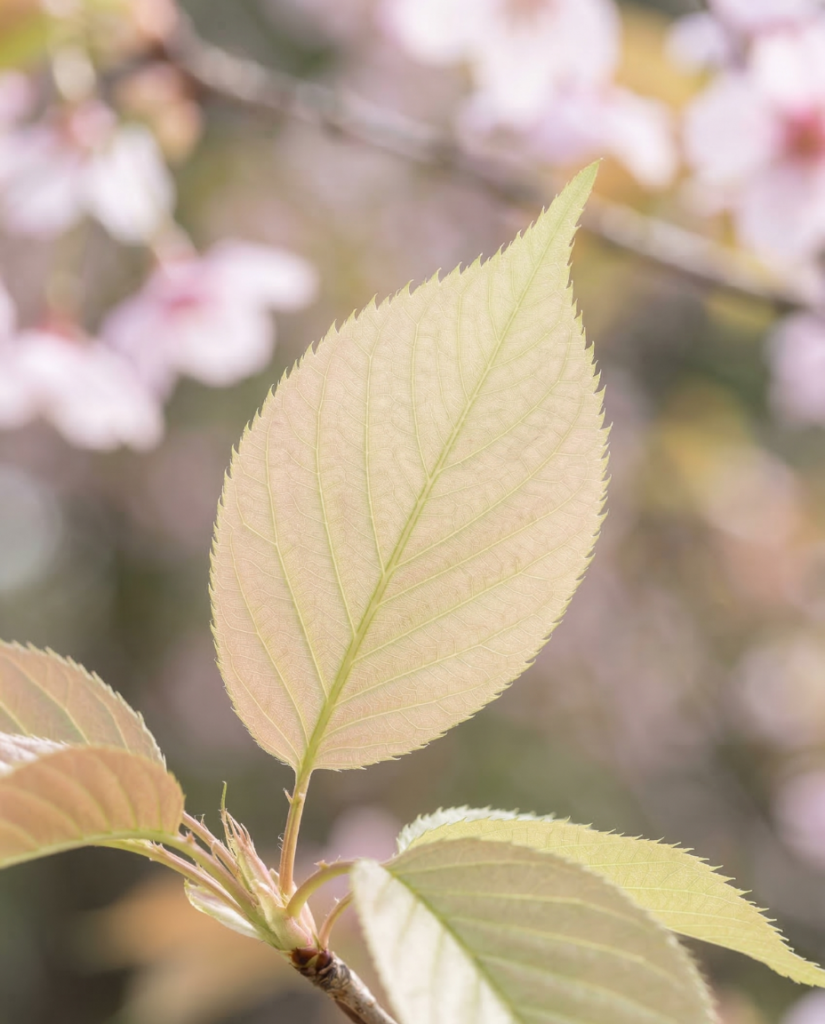
Shogetsu Cherry Blossom
Featured Specimen

Shogetsu Cherry Blossom

The Shogetsu Cherry Blossom is a breathtaking late-season variety known for its large, pendulous clusters of double white flowers.

Botanical Specifications

Scientific Name
Prunus serrulata 'Shogetsu'
Family
Rosaceae
Origin
Japan (A classic cultivar known since the Edo period)
Hardiness Zone
5 - 9
Bloom Timing
Late April to Early May (One of the latest bloomers in the Sakura season)
Conservation Status
Common (Widely used and beloved in ornamental landscaping)

Exposure

Full Sun (Necessary for the development of its dense, double petals)

Hydration

Moderate (Prefers consistent moisture; requires supplemental watering during dry spells)

Soil pH

6.0 - 7.5 (Slightly acidic to neutral)

Dormancy

Winter (Deciduous; enters full dormancy during the cold months)

Pros and Cons of Shogetsu Cherry Blossom

Advantages of Shogetsu Cherry Blossom The primary advantage is the extraordinary density and drooping posture of its flowers, which gives the tree a romantic and fairy-tale appearance. As a late-bloomer, it extends your garden’s spring season after other Sakura varieties have finished. Its umbrella-like spreading form creates an excellent shaded area and is ideal for medium-sized gardens as it does not grow excessively tall. Additionally, it offers a second visual peak in autumn when its leaves turn vibrant shades of orange and red.

Disadvantages of Shogetsu Cherry Blossom

A significant disadvantage is that its delicate and heavy flower clusters are sensitive to wind and heavy rain, which can cause the blossoms to drop prematurely. It may not be as resistant to fungal diseases or common cherry tree pests as some other hybrid varieties, requiring regular pruning and monitoring. Furthermore, because of its wide “umbrella” form, it takes up a lot of lateral space, making it unsuitable for narrow walkways or planting very close to buildings.

Frequently Asked Questions

Detailed botanical inquiries regarding the Shogetsu Cherry Blossom cultivar.

What does the name "Shogetsu" mean?

The name "Shogetsu" translates to "Moonlight on the Pine Trees" or "Moonlight Pine." It refers to the ethereal, glowing white appearance of the blossoms when they are in full bloom, often resembling soft moonlight filtering through branches.

How do the flowers of Shogetsu change as they bloom?

Shogetsu is famous for its color transformation. The buds start as a delicate pale pink, but as they open into large, double-petaled flowers (about 20-30 petals), they fade to a pure, snowy white with only the slightest hint of pink on the outer edges.

What makes the growth habit of Shogetsu unique?

Unlike upright cherry trees, Shogetsu has a distinct flat-topped, spreading canopy with graceful, slightly arching branches. This "umbrella-like" shape makes it one of the most elegant varieties for garden seating areas and pathways.