
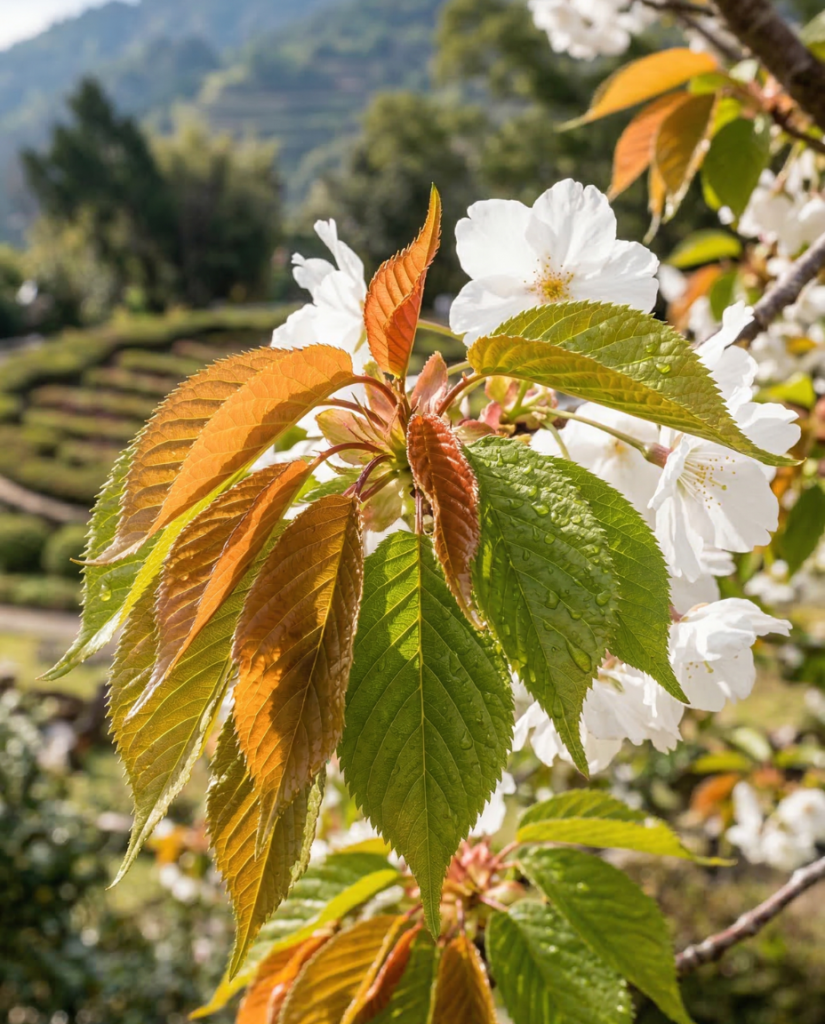
Tai-Haku Cherry Blossom
Featured Specimen

Tai-Haku Cherry Blossom

The Tai-Haku, or "The Great White Cherry," is a legendary Sakura variety that was once thought to be extinct in its native Japan. It is celebrated for its immense, snow-white flowers that dwarf other cherry varieties.

Botanical Specifications

Scientific Name
Prunus serrulata 'Tai-Haku'
Family
Rosaceae
Origin
Japan (Thought to be extinct in Japan; rediscovered in an English garden in 1923)
Hardiness Zone
5 - 9
Bloom Timing
Mid-April (Mid-season)
Conservation Status
Common (Population has stabilized after its successful reintroduction)

Exposure

Full Sun (Crucial for maximum blossom size)

Hydration

Moderate (Requires regular watering with excellent drainage)

Soil pH

6.0 - 7.5 (Slightly acidic to neutral)

Dormancy

Winter (Deciduous; sheds leaves and enters rest phase)

Pros and Cons of Tai-Haku Cherry Blossom

The primary advantage is its unmatched floral scale; it produces the largest blossoms of any cherry variety, making it an unrivaled focal point in a garden. The bronze hue of the young foliage provides a unique visual contrast against the snow-white petals. Additionally, it is a vigorous grower compared to many other ornamental cherries and develops a grand, stately canopy that provides excellent shade. It is also relatively tolerant of urban pollution.

Disadvantages of Tai-Haku Cherry Blossom

The main disadvantage is its significant spread; it requires a large space to grow and is not suitable for narrow gardens or confined spaces. Because the flowers are single-layered and very large, they are more susceptible to damage from heavy rain or high winds, which can cause them to drop prematurely. Furthermore, it demands perfect soil drainage and can struggle or develop root issues in heavy clay soils.

Frequently Asked Questions

Detailed botanical inquiries regarding the Tai-Haku Cherry Blossom cultivar.

Why is the Tai-Haku called "The Great White Cherry"?

It earned this name because it possesses the largest flowers of all cherry blossom varieties. The pure white, single-petal blossoms can reach up to 5-6 centimeters in diameter, creating a striking contrast against its bronze-colored young leaves.

How did the Tai-Haku survive after being lost in Japan?

While it had vanished from Japan by the early 20th century, a single specimen was found in an English garden by Collingwood Ingram. He successfully took cuttings and reintroduced the variety back to Japan in 1932.

What is the most unique visual feature of the Tai-Haku?

Besides its massive white flowers, its young foliage is a deep coppery-bronze color. This rare combination of brilliant white blooms and metallic-looking leaves makes it one of the most aesthetically prestigious Sakura varieties.